
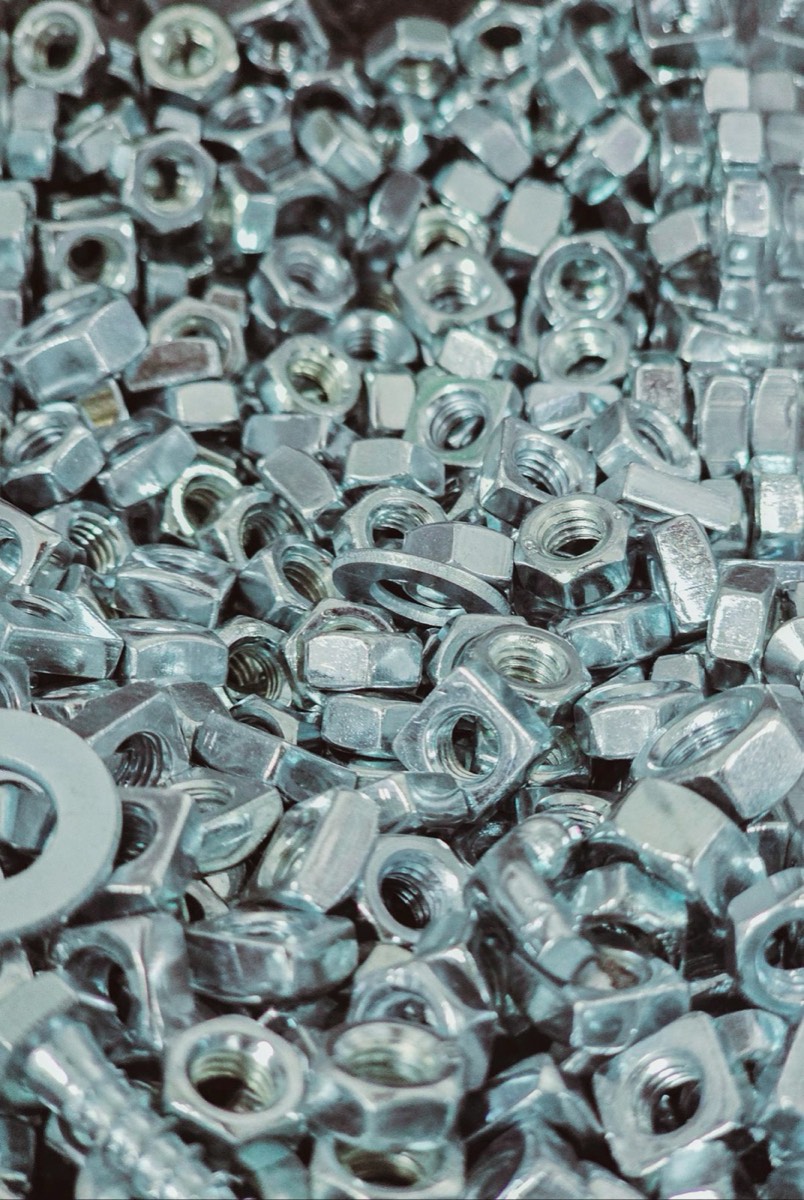
Zinc Blue Plating
Bright zinc electroplating with blue passivation for sacrificial corrosion protection and a clean, uniform silver-blue finish.
View process detailsElectroplating service · Nashik, Maharashtra
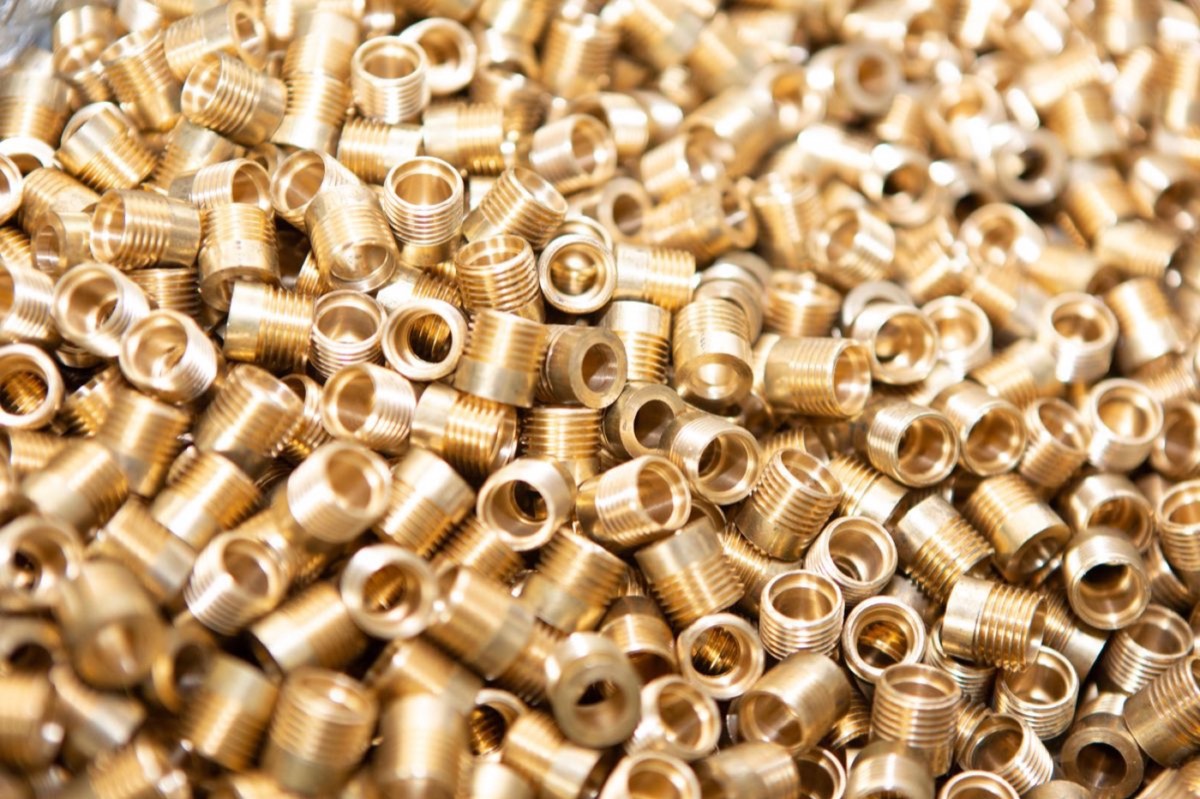
Trivalent yellow plating gives you the appearance and corrosion performance customers associate with yellow zinc, while removing hexavalent chromium from the finish. A thick-film trivalent passivation, often with a sealer, delivers extended salt spray performance suitable for chassis, underbody and outdoor hardware that must also meet RoHS or ELV requirements.
Why choose this finish
Meets RoHS and ELV chromium restrictions while keeping the familiar yellow appearance.
Thick-film trivalent passivation, optionally sealed, for demanding service conditions.
Retains corrosion performance after de-embrittlement baking or downstream heat exposure.
A compliant substitute where drawings previously called for hexavalent yellow zinc.
Specifications
Indicative values. Final thickness, passivation and testing requirements are set to your drawing or referenced standard at quotation.
| Base metals | Mild steel, alloy steel, forged and machined steel components |
|---|---|
| Typical thickness | 8 to 12 microns (higher on request, per drawing) |
| Passivation | Trivalent chromium (Cr3+) yellow / thick-film passivation, hexavalent free |
| Appearance | Yellow-iridescent |
| Salt spray guidance | Typically 120 to 200+ hours to white rust (ASTM B117) with sealer, dependent on thickness and geometry |
| Compliance | Supports RoHS and ELV hexavalent chromium restrictions |
Applications
How we process it
FAQ
Conventional zinc yellow uses a hexavalent chromate. Trivalent yellow uses a hexavalent-free Cr3+ passivation, frequently with a sealer, to reach equal or better corrosion performance with a similar yellow appearance.
In most cases yes. Share the drawing or the specification called out and we will confirm the equivalent trivalent process, thickness and sealer to meet it.
Trivalent yellow finishes are typically slightly less iridescent than hexavalent chromates and the shade can vary marginally with thickness. We control process parameters batch-wise to keep appearance consistent.
Related services
Bright zinc electroplating with blue passivation for sacrificial corrosion protection and a clean, uniform silver-blue finish.
View process details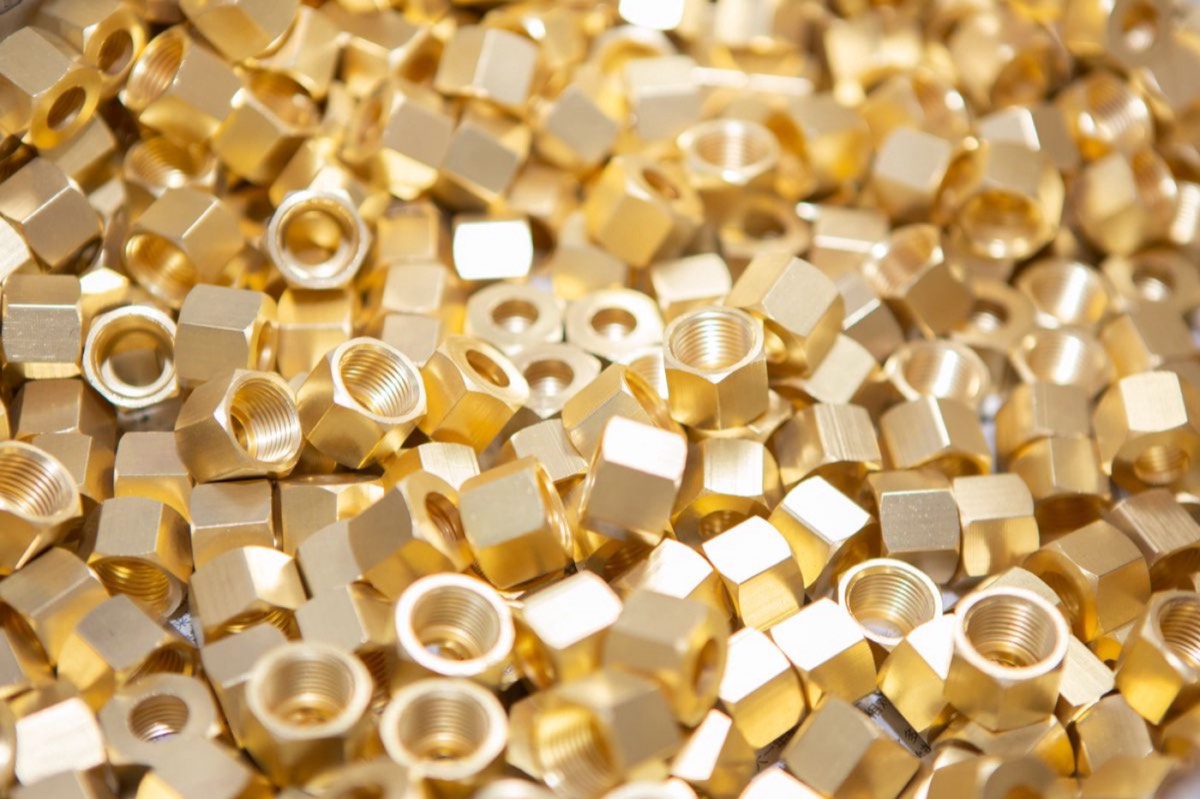
Zinc plating with yellow passivation for enhanced corrosion resistance and the characteristic iridescent gold-yellow finish.
View process details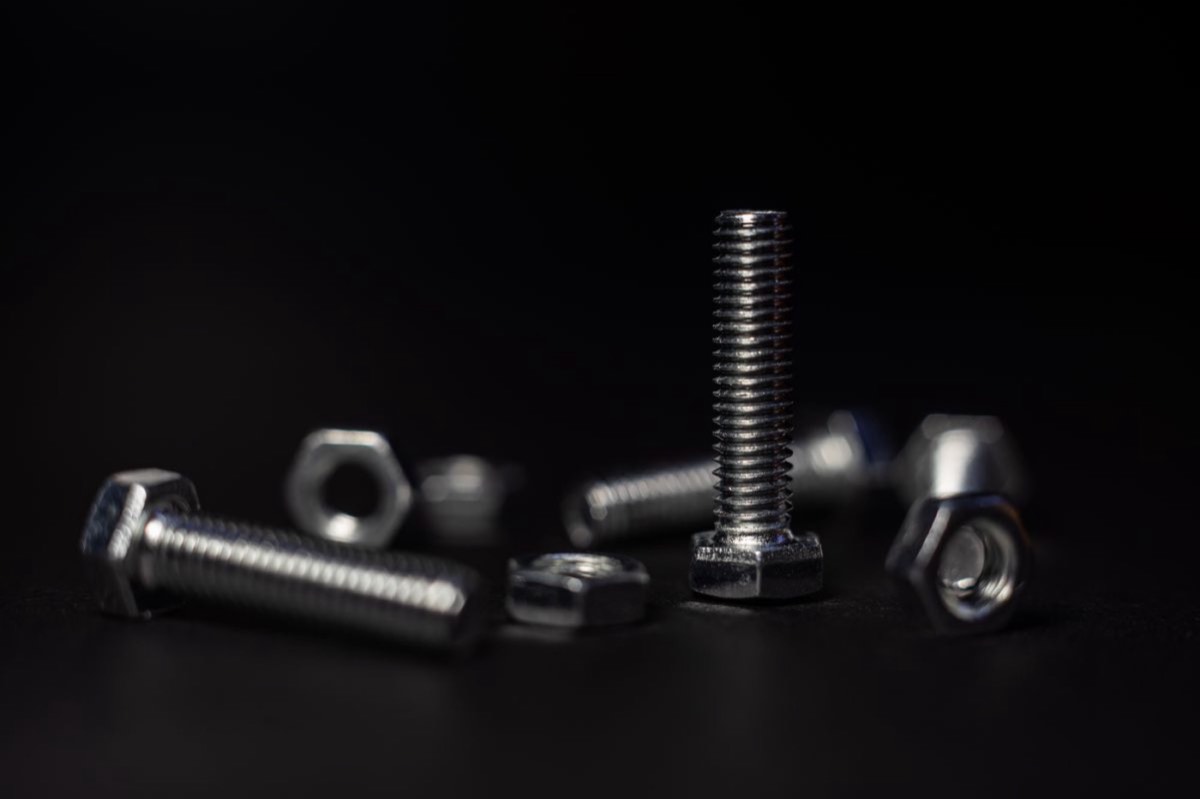
Hexavalent-chromium-free trivalent (Cr3+) passivation over zinc, suited to RoHS and ELV-driven automotive supply chains.
View process details