· 3 min read · by KVEE METALS
Zinc Blue vs Zinc Yellow Plating: Which Should You Specify?
Both finishes start with the same electroplated zinc layer. The passivation on top decides colour, corrosion life and cost. Here is how to choose for automotive and engineering components.
Ask for "zinc plating" on a drawing and the first question a plater will ask is: blue or yellow? Both finishes use the same electrodeposited zinc layer to protect steel. The difference is the passivation, the thin chromate conversion film applied after plating, and that difference decides how the part looks, how long it resists white rust and what it costs.
What both finishes have in common
In each case the component is degreased, acid washed, electroplated with zinc and then passivated. Zinc protects steel sacrificially: because zinc is more electrochemically active than iron, it corrodes first, even at scratches and cut edges where the steel is exposed. Typical deposit thickness for fasteners and hardware is 5 to 12 microns, set by the drawing or a standard such as ASTM B633, ISO 2081 or IS 1573.
Zinc blue plating
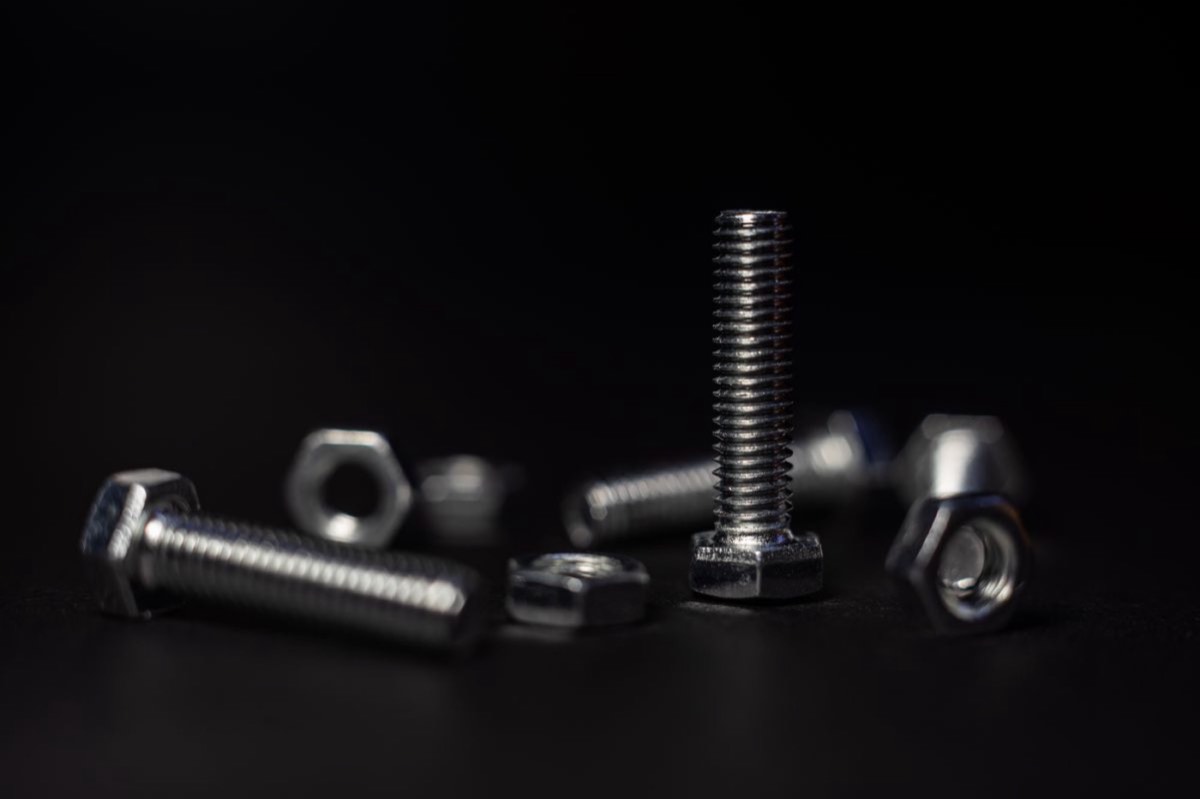
Blue (often called clear or bright) passivation produces a very thin conversion film. The result is a bright silver finish with a light blue tint.
- Appearance: bright, clean, uniform silver-blue. Easy to match batch to batch.
- Corrosion guidance: typically 24 to 72 hours to white rust in neutral salt spray (ASTM B117), depending on thickness and geometry.
- Cost: the most economical electroplated finish for volume production.
- Typical use: interior automotive hardware, brackets, clamps, general engineering fasteners and anything where appearance matters more than long outdoor exposure.
Zinc yellow plating
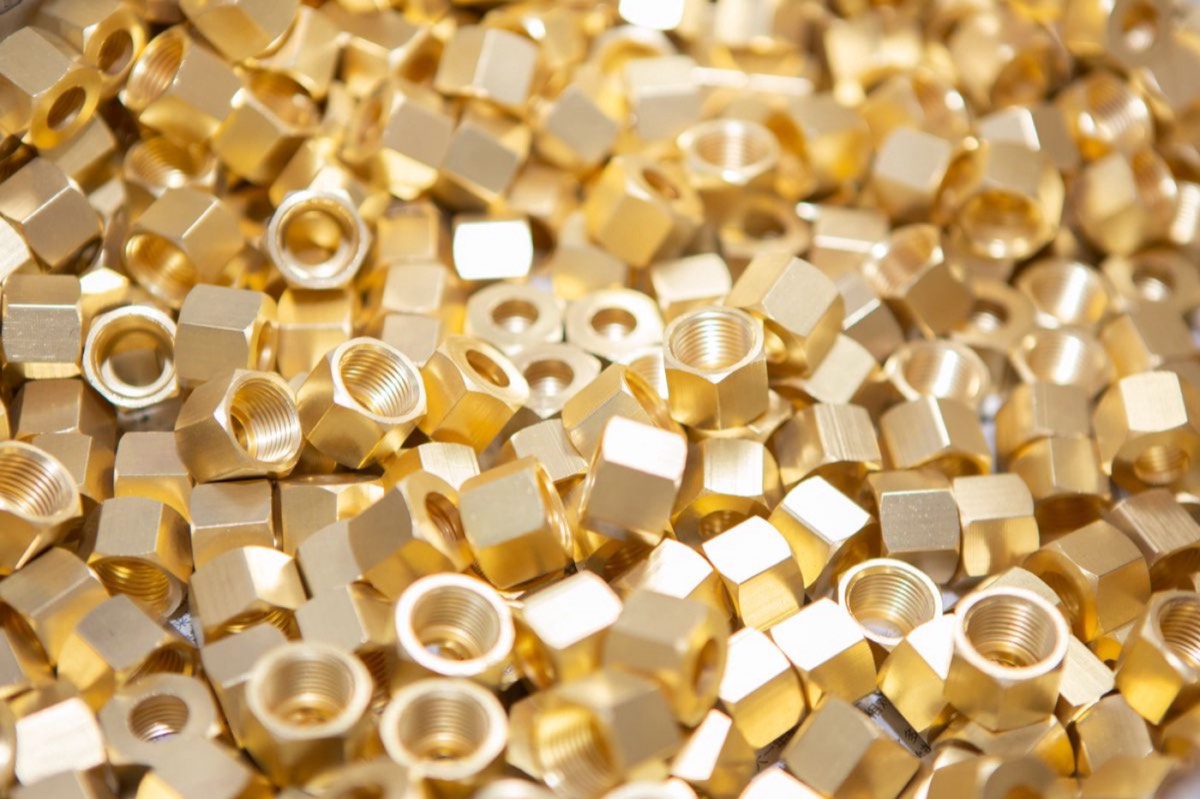
Yellow passivation builds a thicker chromate film that carries more corrosion-inhibiting chromium. It gives the familiar gold-yellow, slightly iridescent look.
- Appearance: iridescent gold-yellow. Colour can vary slightly with film thickness.
- Corrosion guidance: typically 96 to 120+ hours to white rust in salt spray, noticeably better than blue.
- Self-healing: the thicker film can re-passivate minor scratches picked up during handling.
- Typical use: chassis and underbody hardware, hose clamps, agricultural and outdoor equipment, heavy-duty fasteners.
How to decide
- Where does the part live? Inside a cab or housing, blue is usually enough. Underbody, engine bay or outdoors, specify yellow or a trivalent equivalent.
- What does the customer's drawing say? OEM drawings normally call a standard and a service condition class. Follow it; the plater will select thickness and passivation to match.
- Do you need visual identification? Many assembly lines use yellow to distinguish grades or torque classes at a glance.
- Any compliance requirement? If RoHS, ELV or export markets are involved, ask for trivalent blue or trivalent yellow, which remove hexavalent chromium from the finish.
Common mistakes we see on drawings
- Specifying "zinc plated" with no thickness or standard. This forces the plater to guess, and two suppliers will deliver two different parts.
- Calling for yellow but supplying a sample that is actually trivalent blue with a yellow sealer. Send a reference sample when in doubt.
- Asking for very thick zinc on fine threads without noting thread tolerance. Deposit thickness affects gauge fit.
Need help specifying?
Send us the drawing, the environment the part sees and expected monthly quantity. We will recommend blue, yellow or a trivalent option, confirm thickness, and run a trial lot for your validation before production.
Need this finish on your components?
Send a drawing or sample and we will confirm process, thickness and pricing.